Assistive devices · Preparedness · Traceability
Hjälpmedelskonferensen 2026: preparedness and traceability
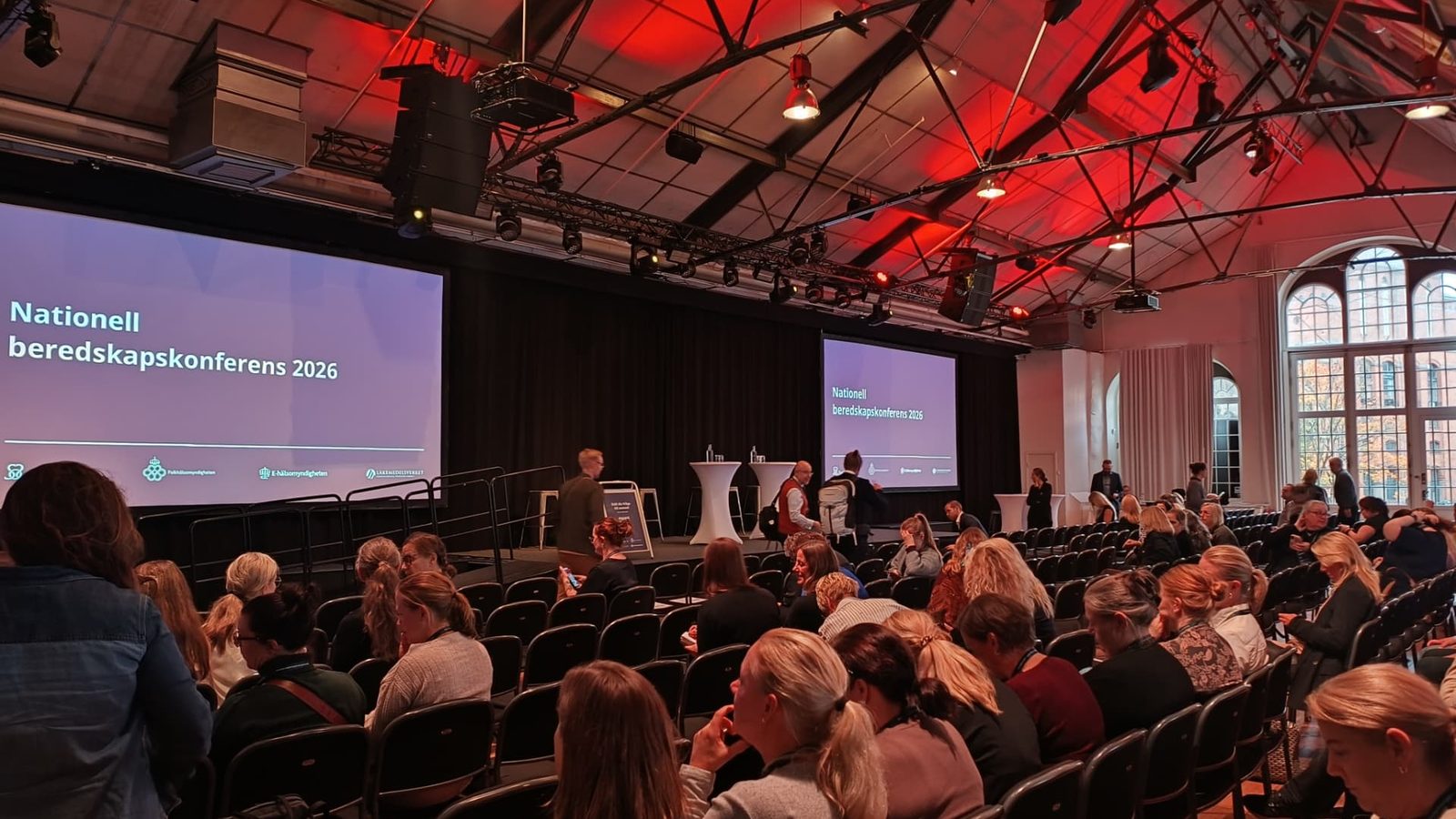
An industry shifting towards preparedness, traceability and smarter technology. That was the clear picture when assistive technology services and suppliers from across Sweden gathered at Hjälpmedelskonferensen 2026, the Swedish national assistive technology conference, in Stockholm.
The assistive technology and rehabilitation sector is facing several transitions at once. Veronica Keding from Myloc attended Hjälpmedelskonferensen, organised by Swedish MedTech and the national network of assistive technology managers on 15-16 September 2026. Over the two days of the conference, discussions ranged from global supply chains and civil defence to the introduction of UDI and practical automation. Here is a summary of the key topics and what they mean for the sector's continued work.

Security of supply: assistive devices belong in total defence planning
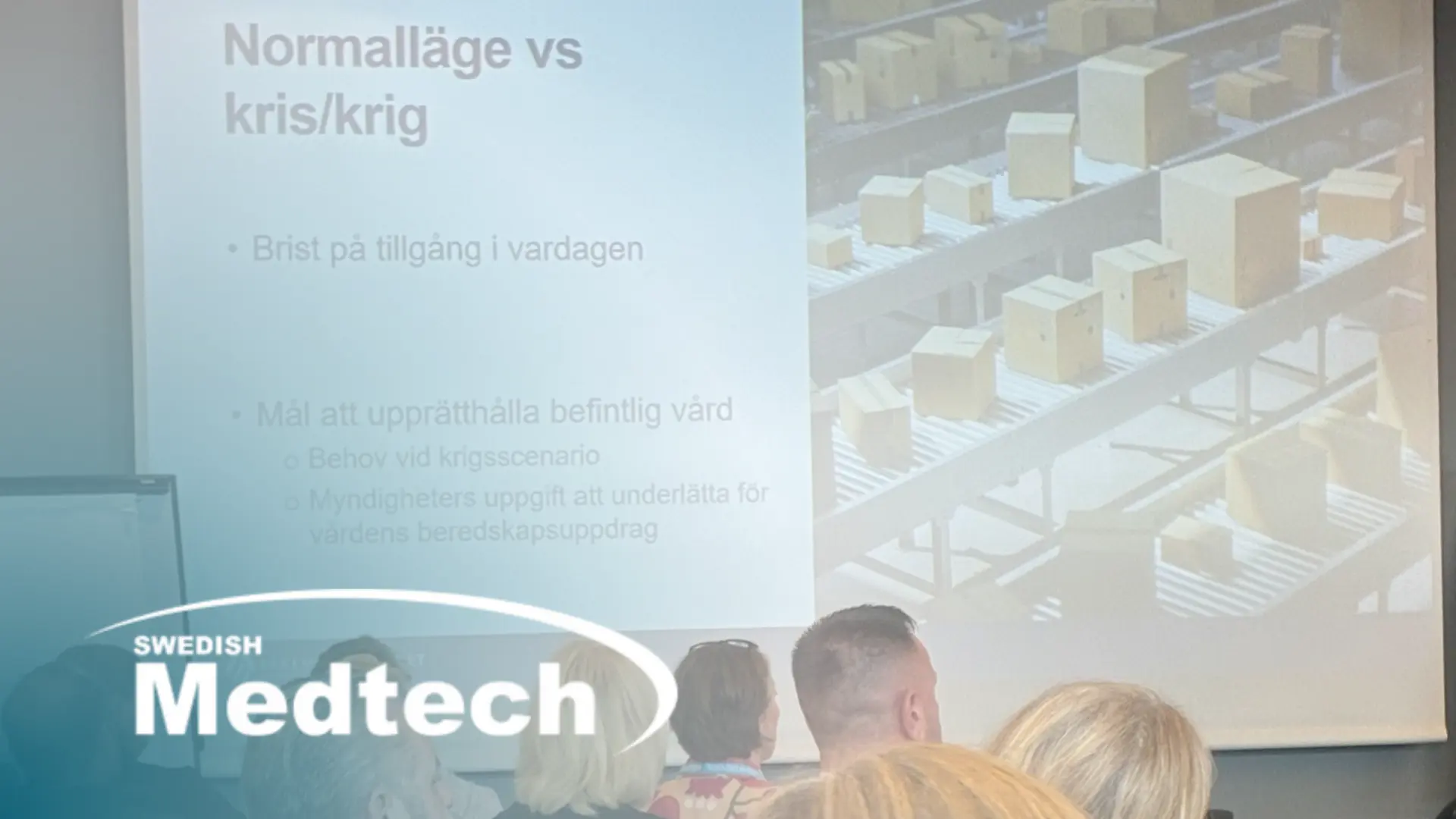
The current security situation requires Swedish healthcare to withstand a crisis scenario of at least three months and to maintain critical functions for two weeks during isolated disruptions. Regional supply strategies are therefore shifting from vulnerable, fragmented stocks towards integrated and robust logistics systems.
A central discussion concerned the place of assistive devices and rehabilitation in total defence planning. The Swedish Association of Occupational Therapists pointed out that government bills focus on emergency care stocks, while assistive devices and rehabilitation are often overlooked. In times of crisis and war, early rehabilitation is essential to free up hospital beds quickly and ensure safe discharges to primary care and municipal services.
Read more about how municipalities and regions can manage their emergency stockpiles with Myloc Stockpile.
Traceability with UDI and EUDAMED, from regulation to practice
The introduction of Unique Device Identification (UDI) and registration in the European database EUDAMED is no longer a future issue but a reality. For traceability to hold all the way from supplier via assistive technology centre to end user, the following is needed:
Read more about how the assistive device management system Myloc MedTech handles traceability throughout the device lifecycle.
Hospital at home: when care moves into the home
With a rapidly ageing population and fewer available hospital beds, hospital care at home is developing quickly. Karolinska University Hospital showed how specialised care is moving into patients' homes with the help of connected medical equipment and remote monitoring. This places entirely new demands on the logistics of delivering, installing and maintaining assistive devices and technology in the patient's home.
RPA and 3D printing ease everyday work
Technical innovation is not only about grand visions but about concrete relief in everyday work. Several regions and research groups, including U-PRINT at Uppsala University, showed how additive manufacturing can be used for customised mounts, joystick adapters and prototypes, and in the future for digital spare parts stores that strengthen preparedness. At the same time, speakers stressed the importance of complying with the MDR for custom-made devices, including technical risk analysis and documentation.
What does this mean for assistive technology services?
Three things stand out: Assistive devices need a clear place in preparedness planning, not just emergency care consumables. Traceability with UDI requires clear roles and should start on a small scale, and as care moves into the home, the logistics of assistive devices become an increasingly important part of care itself.
Would you like to know how other assistive technology services work with traceability and preparedness? Contact us using the form at the bottom of the page and we will tell you more.
Frequently asked questions
What is UDI?
UDI stands for Unique Device Identification. It is a marking that allows every medical device to be identified and traced throughout the supply chain, from manufacturer to user. The requirement comes from the EU Medical Device Regulation (MDR).
What is EUDAMED?
EUDAMED is the EU's common database for medical devices. It holds information on devices, manufacturers and UDI data, among other things, so that authorities and healthcare providers can monitor devices on the market.
Linnea Ingemarsdotter
Digital Communications & Public Relations Manager